Benefits of Mobile Healthcare Apps: How mHealth Is Improving Patient Care
There’s hardly any platform left that has not yet been introduced as a mobile app or web service. From an everyday habit to occasional usage, there are many different types of apps available for usage and fulfilling the needs of consumers.
There is a surge of mobile application development in the medical domain where the mechanics have switched to a technological basis. And constantly serving for the betterment of the domain.
Fact: 52% of smartphone users use their devices to research health-related topics. Information on a particular medical issue or procedure, as well as details on diet, nutrition, and exercise.
Mobile technology in healthcare makes use of technological tools to track health, collect data on health, and deliver remote care. This enables the development and maintenance of health and wellness programs outside of the hospital practice by nurse leaders, doctors, and patients.
Fact: Due to the technical assistance offered both within and outside of the hospital, patients who get assistance from mHealth have shorter hospital stays than those who do not.
To answer this in one word – Pandemic.
COVID-19 led to a massive increase in the number of users dedicated to being health driven. Due to the complete lockdown, people switched over to virtual options for health-related consultations. Many business and medical service providers switched to this idea and introduced a well-packed platform of multiple services.
On the other hand, many tech-savvy brands introduced gadgets with upgraded functionalities.
SO2 tracking,
Pulse rate,
Sleep tracking, and
Dealing with stress,
many different features were highlighted to focus on the new target audience.
Not only with gadgets, but medical practitioners changed their offline practices and switched to online consultations for patients in isolation (following Covid-19 protocols and safety measures). Since the Covid-19 period, pharmacists have also increasingly started using online applications to improve their daily workflows, access real-time drug information, verify prescriptions, manage inventory, and stay updated with the latest medical guidelines and drug interactions.
Around 72% of doctors access drug information from smartphones
63% of physicians access medical research from tablets
44% of physicians communicate with nurses and other staff from smartphones
Now people are not just preferring medical healthcare online, they are used to it finding it convenient and cost-efficient. Approximately 91% of adults always have a mobile device within arm's reach.
It is almost impossible for physicians who are always packed up with appointments and surgeries to be available to patients all the time.
Mobile health technology improves the ability to connect with recommenders, healthcare providers, and office staff by enabling encrypted emailing and texting, mobile health record access, and mobile telephone conversations.
Mobile health apps enable consumers to receive notifications on their smartphones in real-time regarding patient emergency entry, admissions, discharges, and movements.
Medical checklists are also activated in response to alarms, which aids in standardizing and streamlining case-by-case care.
From the usage of medical health apps, storing a patient’s record is very easy. All the information can be stored on one platform. Mobile healthcare security makes it possible to process fast data analytics and safe medical payments.
Mobile healthcare has made the computerization of several clinical information and billing processes easier. This ensures safer transactions, and the inadvertent human error that leads to requests being denied or declined is reduced to a minimum.
One of the major benefits of medical health apps is customized reminders to patients. It helps to remind important dates, medications, tests, and much more. This benefit is possible only through mobile health services and not through offline healthcare systems.
Mobile healthcare technology delivers services in a way that gives doctors and healthcare sector providers a bird's-eye view of all the medications given to a patient. This includes data on dosage modifications, refills, and medication history.
There are now various methods of monitoring patients’ data having illnesses like bronchitis, cardiac problems, epileptic conditions, etc. With the assistance of healthcare software, medications and procedures can be analysed and managed via in-depth information storage.
Mobile healthcare helps automate administrative work such as:
Maintaining patient documents
Billing procedures
Follow-up scheduling
The inclusion of technology has enabled easier management of these tasks with fewer working resources.
Applications that manage health have been found to considerably save costs for both patients and healthcare providers. Fitness gadgets help users maintain medication schedules and wellness commitments through constant reminders. Medical institutes benefit from lower operational and practical visit costs.
Consumers can use mobile health apps to access, update, and share medical information with healthcare professionals. Remote patient monitoring also enables doctors to continuously track a patient’s condition and receive timely alerts when intervention is needed.
Automated reminders and notifications help patients attend appointments on time. Hospitals using mobile healthcare technology saw:
10% reduction in 30-day readmissions
Patients receiving reminders reduced readmissions to 16%
Appointment-confirmed patients showed only 8.8% readmissions versus 15.4%
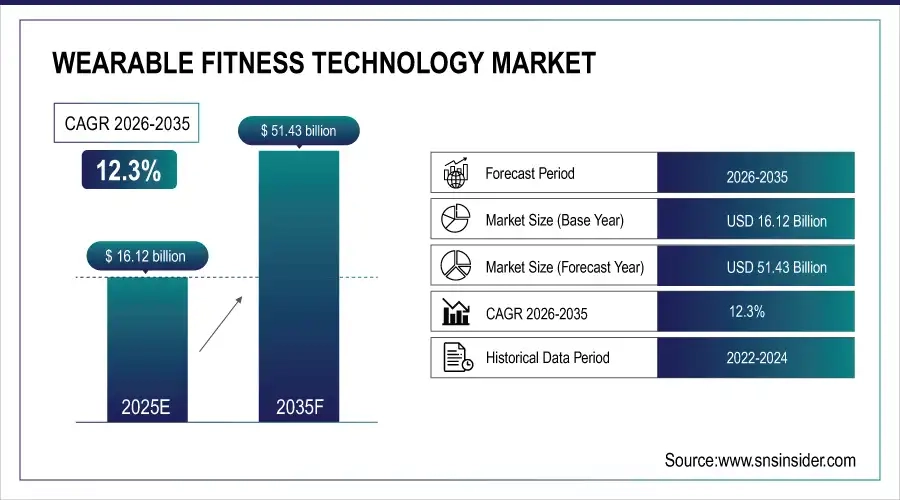
Smart gadgets monitoring hypertension, obesity, and inactivity protect individuals against major health incidents. There has been a rapid increase in the demand for fitness gadgets since the pandemic. The demand is expected to grow by 12.3% in between 2026-2035.
Cloud-based computing allows storage of massive medical data such as records, medications, and customized treatment plans.
AI and machine learning automate data implementation into healthcare software, helping improve service quality and user experience.
Strong data privacy laws are required as medical data moves online. Protecting consumer data should be one of the core objectives of healthcare service providers.
To persuade consumers, strong and trustworthy digital marketing is essential. People rely heavily on smartphones, making online healthcare discovery and engagement crucial.
Fact: In 2024, 25% of Medicare fee-for-service patients used telehealth services.
Mobile technology has a variety of benefits for medical offices, including improved efficiency, lower costs, and faster communication. Worldwide healthcare systems are embracing mobile technology to offer greater transparency, more precise diagnoses, and effective individualized treatments. If any industry wants to switch to medical healthcare and become a prime service provider, now is the time.
Healthcare consumerization is a movement where patients take complete control of their healthcare decisions by self-analyzing and choosing their well-being options.
More accessibility for patients
Exclusive remote monitoring
Lesser cancellations
Timely reminders
Cost efficiency
Better communication
Security is a major concern. Cyber breaches can lead to loss of sensitive healthcare data. Strict encryption and data transfer rules must be followed.
Poor UI/UX design, insufficient testing, and lack of proper planning can lead to healthcare app failure.
Mobile healthcare enables real-time patient data access, faster action, and better patient care, leading to an improved overall experience.
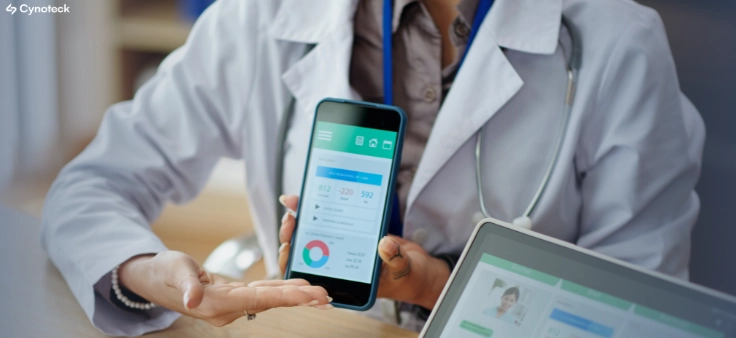
Mobile healthcare apps improve patient care by enabling remote monitoring, timely reminders, secure data access, better communication, and cost-efficient healthcare services through mHealth technology.
B2B apps help businesses streamline operations, enable on-the-go access to data, improve client engagement, support omnichannel sales, and drive scalable revenue by simplifying complex business workflows.
We are more than just developers and consultants—we are your partners in navigating the digital landscape. Let us be the engine behind your next big success while you focus on your core vision.
Explore Opportunities!